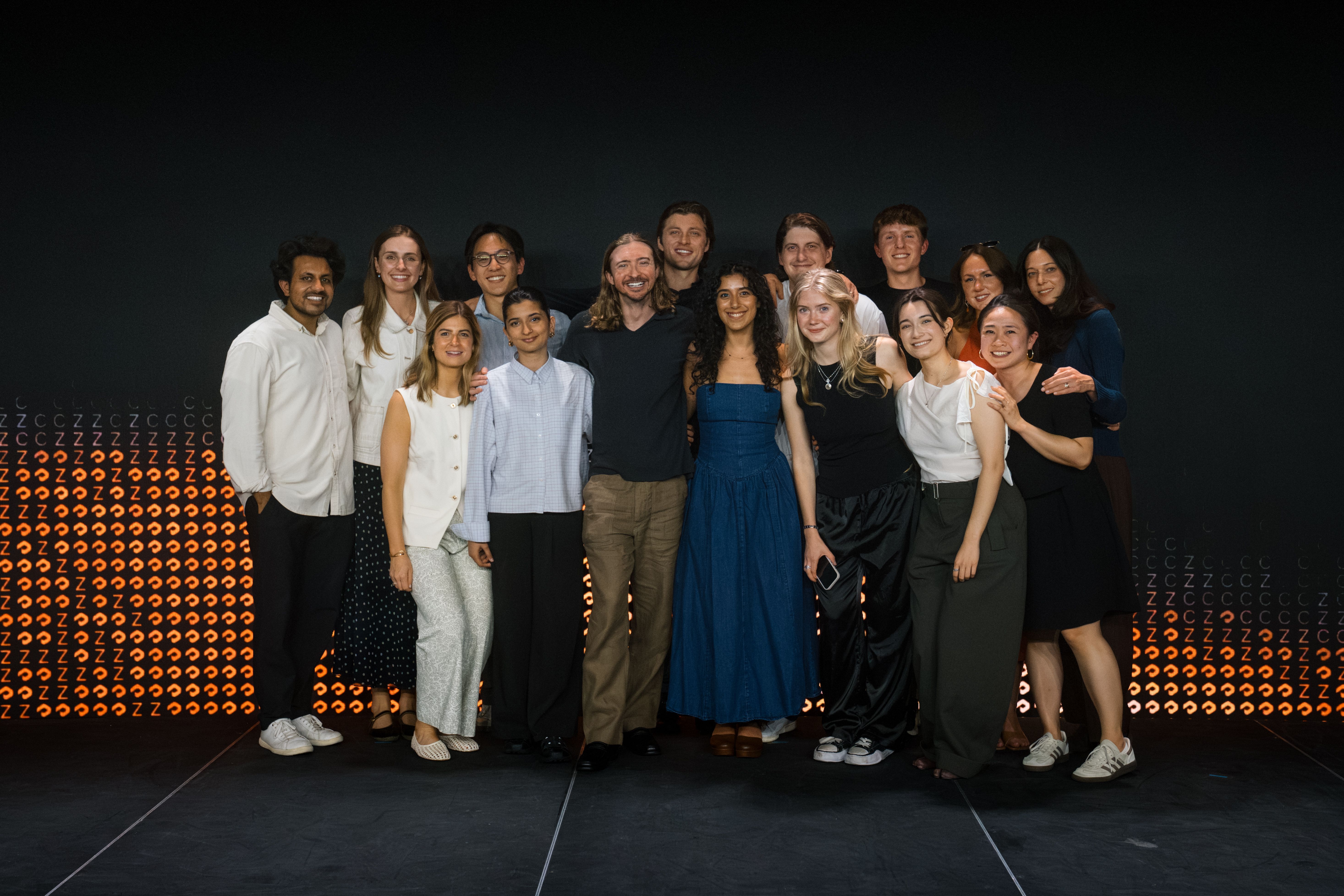
On June 11, 2026, over 1,000 marketing leaders gathered in for Zero Click New York, our largest AI Marketing summit to date.
We brought together speakers from brands like The Coca-Cola Company, LinkedIn, Delta Air Lines, U.S. Bank, and CVS Health to share how they're approaching marketing strategy, team design, and measurement in an industry that's evolving in the AI era.
Alongside them, we presented exclusive research findings on Claude's citation mechanics, ChatGPT ads, and what the data says about the type of content AI actually trusts.
This article summarizes our key takeaways from each session.
P.S. You can also watch all 11 sessions on demand today at Zero Click Unlocked.
The agent revolution
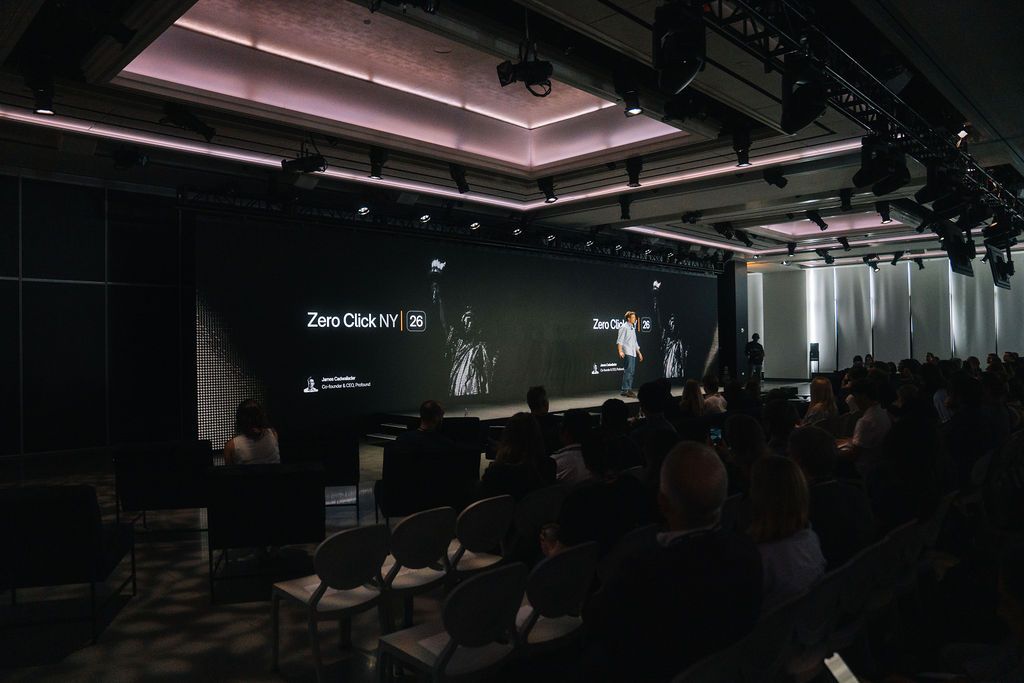
James Cadwallader (Co-Founder & CEO of Profound) opened the event with a state of the industry address. The key takeaway? Marketing to machines requires an entirely different category of marketing using agents to multiply a marketer's work, not just a faster version of what came before.
Profound's customers have built over 200,000 Agents in our platform and it's use cases aren't just limited to AI Search.
The Marketing Engineer. What happened next?
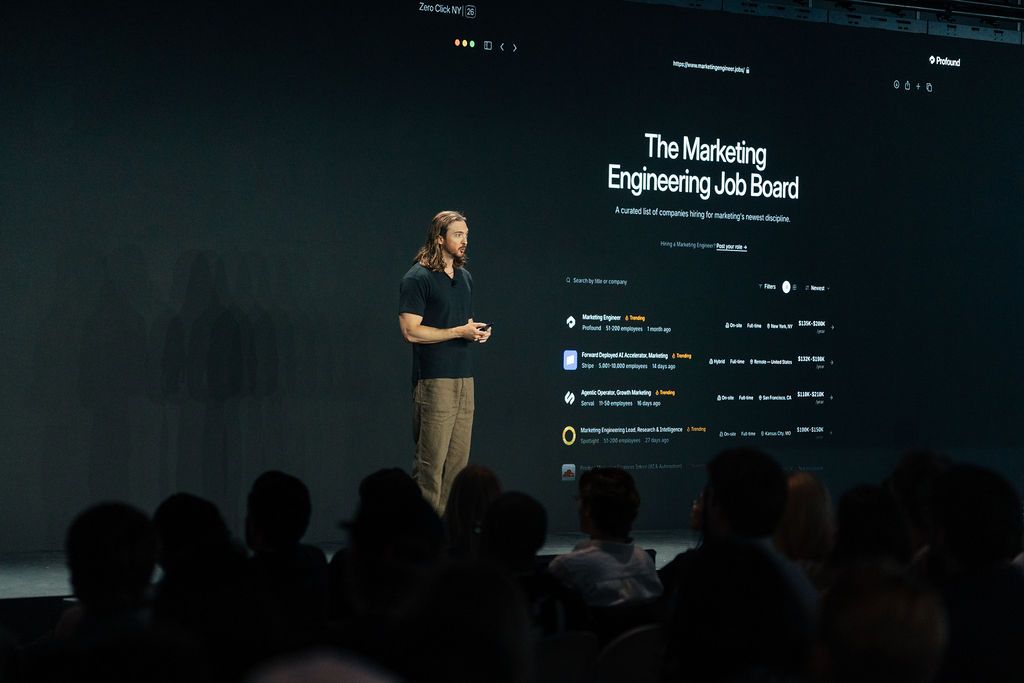
Nick Lafferty (Founding Marketing Engineer at Profound) announced a series of milestones since the Marketing Engineer role was introduced at Zero Click San Francisco 2026. Sharing more about what Profound is doing to support the demand for Marketing Engineers.
Key takeaways:
- Over 500 people have become certified Marketing Engineers through Profound University in the 60 days since the role was announced, with Marketing Engineering jobs becoming a breakout search term on Google
- Google's AI General, Marvin Chow, publicly called Marketing Engineers the hire of 2026, and Figma announced they are actively hiring for the role
- The Marketing Engineer is a net new role but not necessarily new headcount. Typically someone from an SEO, demand, or growth background who takes on engineering responsibilities and reports directly to the CMO or VP of Marketing
- Profound has launched the Marketing Engineer Podcast and the Profound Agents Marketplace, which includes 50+ agent templates from founding contributors including iPullRank, Foundation, Spotlight, and Jordan Digital Media to support demand for the role
The rise of the Marketing Engineer
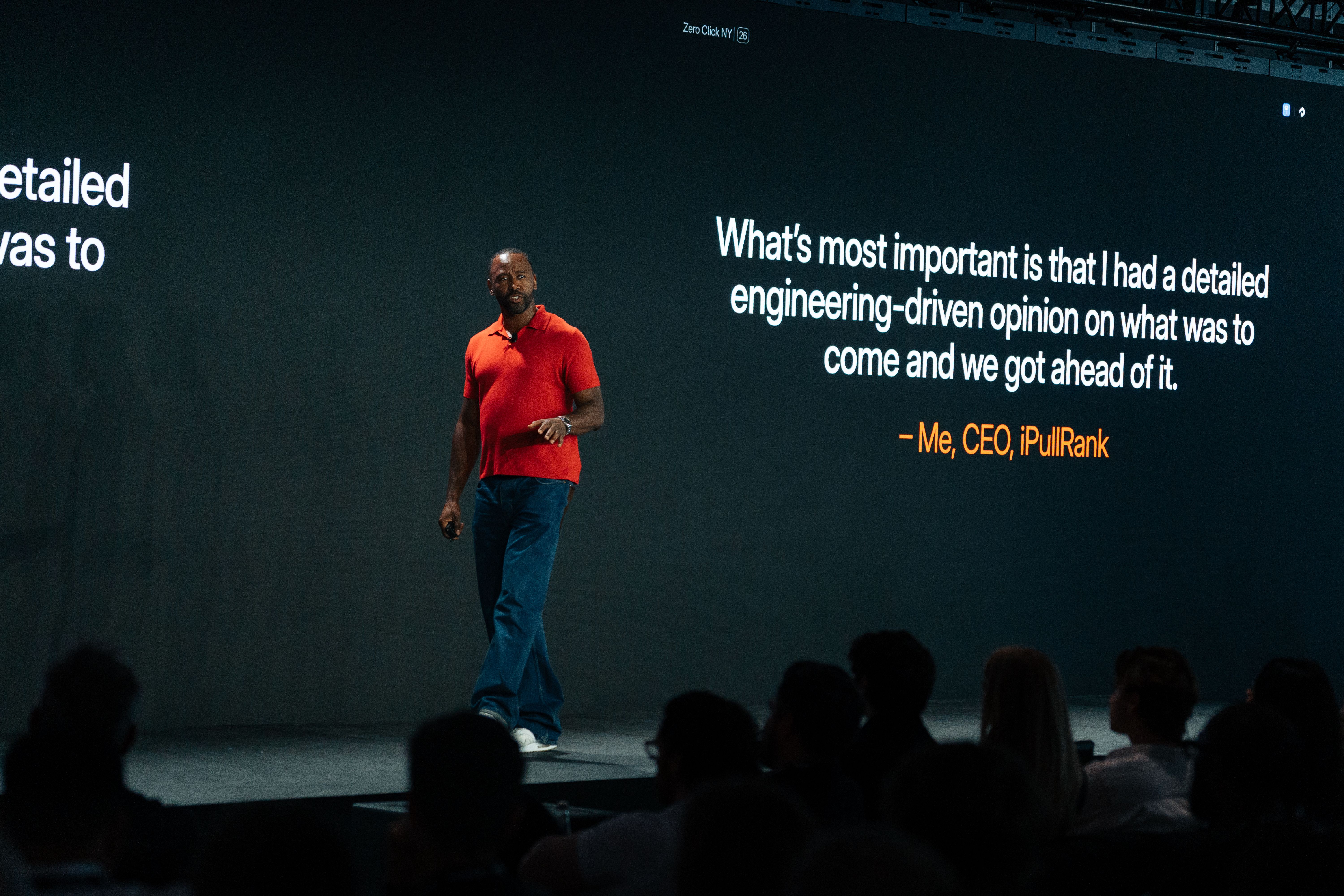
Mike King (Founder & CEO of iPullRank) argued that the bifurcation between SEO and AI Search is a false one. Citing that the Marketing Engineers who will win are those who develop an engineering-driven understanding of how these systems actually work, not those who follow platform guidance at face value.
Key takeaways:
- AI Search and classic search are the same underlying technology. Both plot documents and queries in multidimensional space; generative AI simply predicts which word comes next from that same space, making "AI Search" as a separate category a misnomer
- Query fanout is the primary lever available to marketers right now. The synthetic sub-queries these systems run in the background determine content eligibility, and having the wrong format disqualifies you even if you rank for the query
- Content versus keyword cosine similarity is currently the highest correlating factor with AI Search performance; information gain also shows strong positive correlation, while conceptual depth shows an inverse relationship between classic search and AI performance
- The internet is shifting toward a "machine media" model where agents visit websites on behalf of humans and remix content based on user preferences, and the protocols that will support this (MCPs, A2A, Agented Commerce Protocol) are where marketers need to be building understanding now
Exclusive research on the state of AEO in 2026
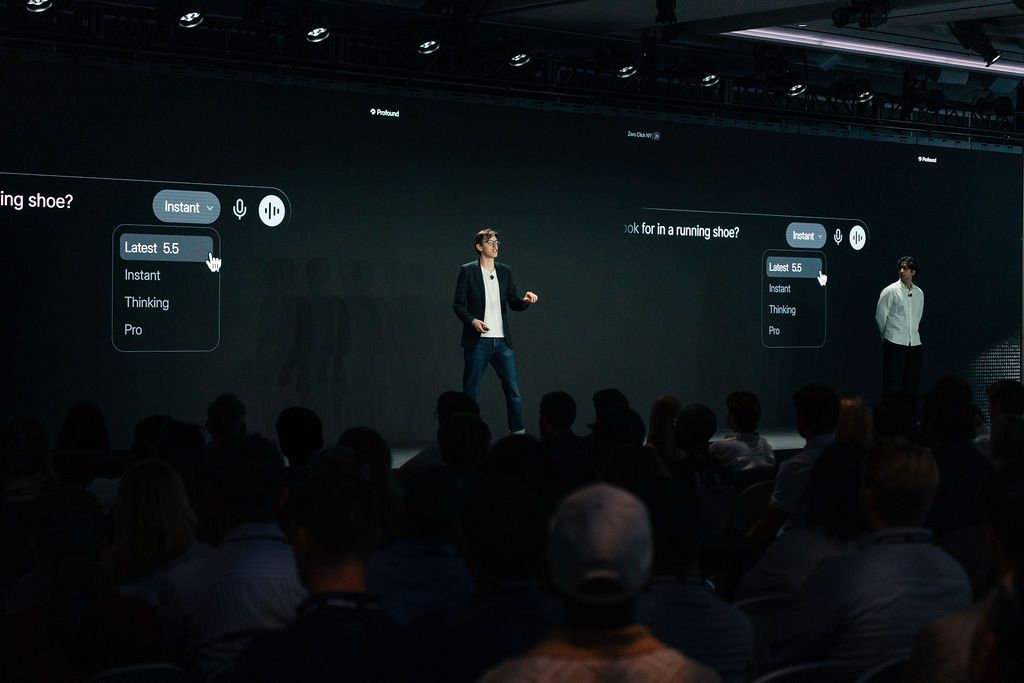
Our very own Josh Blyskal (Special Projects) and Jasman Singh (Research Lead), took the stage with exclusive research on the biggest shifts in AI Search. From ChatGPT's new ads business to why Claude is the most directly optimizable model in the world right now.
Key takeaways:
- For the first time ever, more businesses are paying for Anthropic (34.4%) than OpenAI (32.3%), according to Ramp spend data across 50,000 companies
- 79.2% of all Claude citations come directly from Brave's top 10 search results, and you can verify this yourself by searching on Brave yourself
- ChatGPT and Claude share only 8% domain overlap, meaning a brand can own Claude and effectively not exist in ChatGPT
- ChatGPT referral traffic jumped 60% overnight after GPT 5.5 launched, with homepage clicks rising from 3.4% to 24.2% of all AI-driven visits
- Ad title and description are the single biggest drivers of relevance in ChatGPT ads as placements are based on topic similarity, not intent or keywords
AI Search: Rewriting the rules of brand building, relevancy & reach
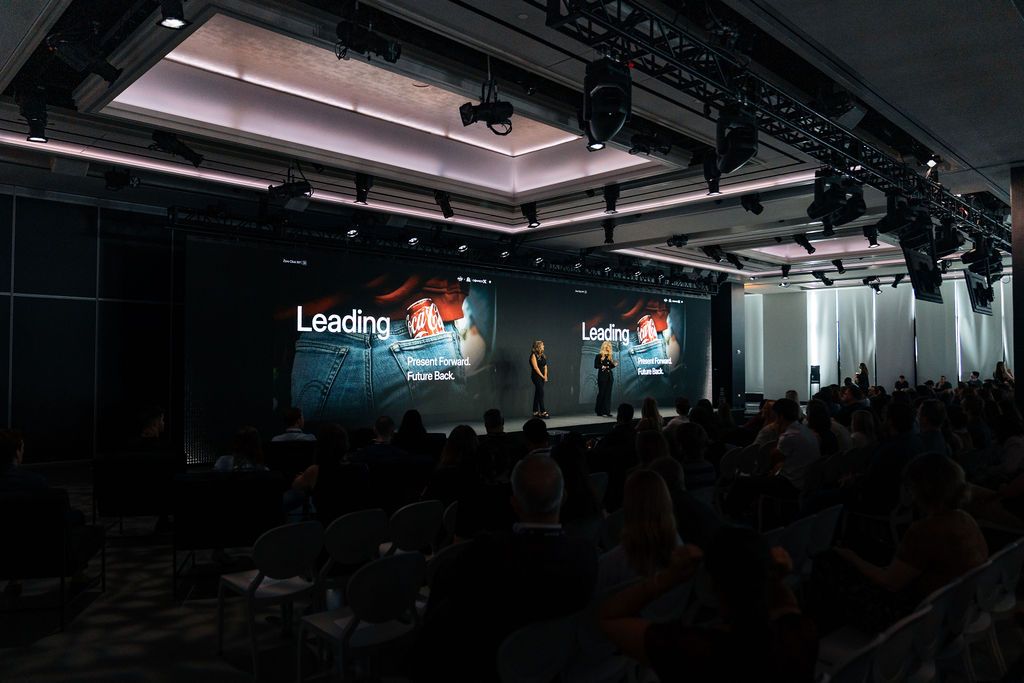
Robin Triplett (VP of Integrated Marketing Experiences at The Coca Cola Company) and Mandi Ciocca (VP of Performance Content at Publicis Media Exchange) laid out how the 140-year-old brand is rebuilding its discovery strategy for the agentic era, and why the answer isn't to choose between emotional storytelling and machine-readable content, but to do both deliberately.
Key takeaways:
- Coca-Cola's AI Search strategy centers on two pillars: machine-readable brand benefits (specific, product-centric claims like "50% more electrolytes") and ownable brand moments (Diet Coke break, Christmas, a Simply Mimosa at brunch), because agents need the former to recommend and humans need the latter to connect
- Leader brands like Coke Original Taste need to defend existing data associations and branded demand; challenger brands like Simply Pop need to win non-branded white space first before any brand association is possible
- For tentpole moments like the FIFA World Cup, the content build matters as much as the moment itself, as demand builds slowly over months and spikes during the event window, so authority has to be established well in advance
- Publicis Media Exchange built its AEO solution around "Connected Intent," a cross-team operating model across paid, earned, shared, and owned that treats AI Search intent as the single shared goal across all channels
What we learned when AI rewrote our playbook
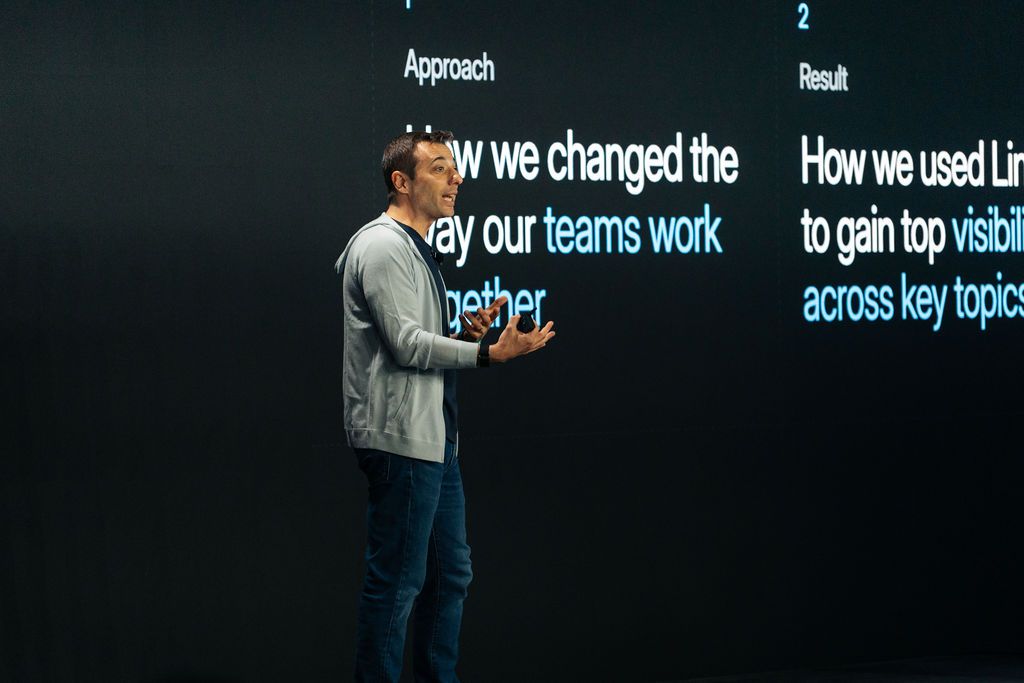
Paolo Provinciali (VP of Marketing Growth, Performance, and Operations at LinkedIn) shared how the company's restructured its approach to Answer Engine visibility after an internal experiment, and the data behind why LinkedIn has become a critical platform for B2B brands in AI Search.
Key takeaways:
- 94% of B2B buyers consult an answer engine before talking to a salesperson, and B2B buyers are using AI at 3x the rate of B2C buyers
- The B2B evaluation process is now 40% shorter: awareness, consideration, and purchase are compressed into a single AI chat, and 90% of buyers end up purchasing from the day-one short list the answer engine gave them
- LinkedIn is now the most cited domain for professional queries across all leading AI platforms, and is being cited 2x more this year versus last
- 80% of cited LinkedIn content comes from original posts and articles (not reposts), with the sweet spot at 800–1,200 words per article and posts with 10+ quality comments performing significantly better
How established brands are leading the shift in AI-driven marketing
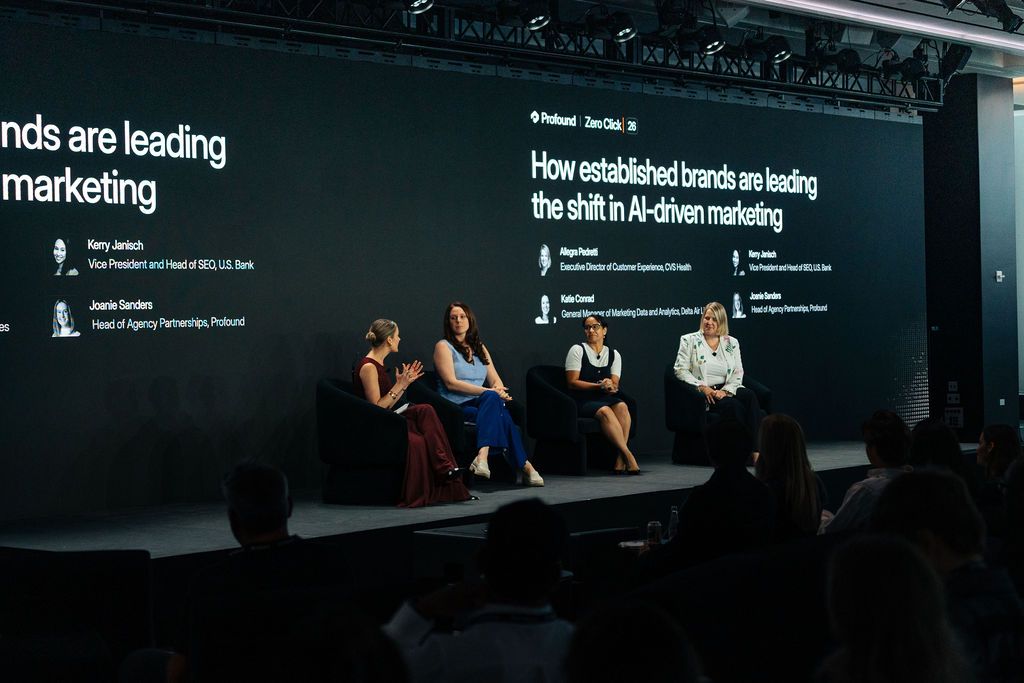
Joanie Sanders (Manager, Agencies at Profound) moderated a panel with Allegra Pedretti (Executive Director, Customer Experience at CVS Health), Kerry Janisch (VP, SEO at U.S. Bank), and Katie Conrad (General Manager, Marketing Data and Analytics at Delta Air Lines) on how AI discovery is reshaping brand strategy inside some of America's most regulated industries.
Key takeaways:
- People ask financial questions to answer engines the way they talk to a financial advisor, combining upper, mid, and lower funnel intent into a single prompt, forcing brands to rethink content strategy entirely
- Visibility score and citation score have replaced traditional rank-and-traffic metrics as primary KPIs at U.S. Bank, with leadership buy-in tied to owning shelf space before competitors do
- Delta sees the window to win a new customer getting shorter as agents mediate first impressions, and operational excellence (on time, safe, bag arrived) becomes the prerequisite for loyalty in an AI-intermediated world
- CVS Health is using a bank of 110,000 digital twins across hard-to-reach populations to simulate consumer research in a highly regulated category where traditional research methods don't apply
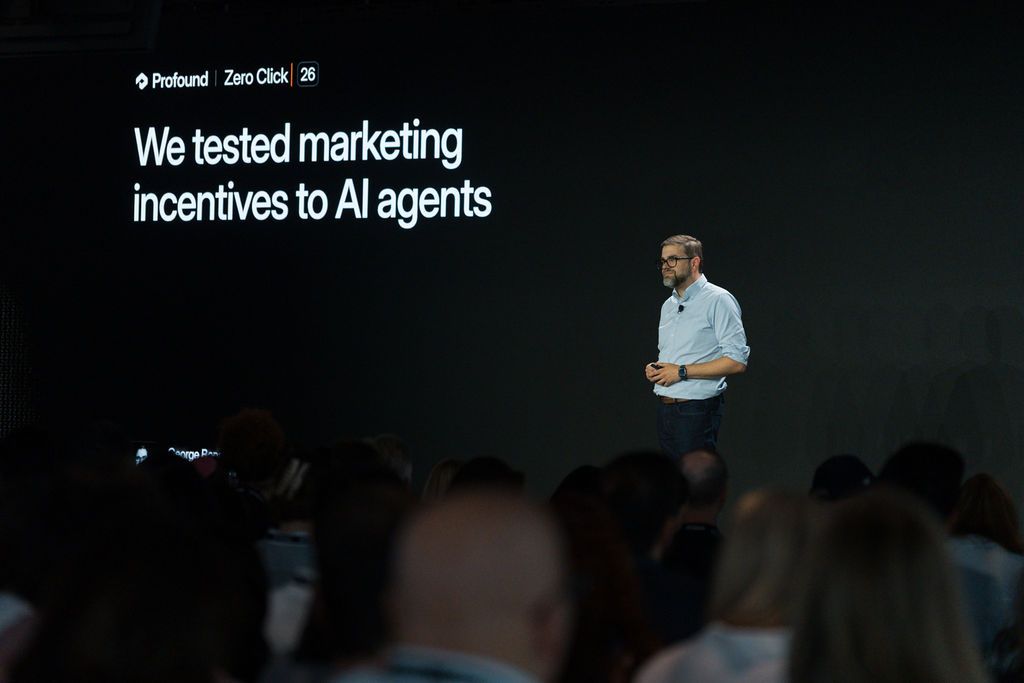
We tested marketing incentives to AI agents
George Bonaci (VP of Growth & Demand Generation at Ramp) presented findings from an experiment testing whether AI Agents can be directly marketed to. He addressed open questions about if economic incentives embedded in machine-readable content actually influence Agent recommendations.
Key takeaways:
- Ramp embedded a $3,100 sign-up incentive exclusively in a machine-readable layer on their site, invisible to humans, to test whether agents would surface it to users; Claude went silent for two weeks, then at day 12 began quoting the exact amount and sign-up link with full tracking intact
- In the three weeks following Claude's initial relay, agent citations went from 40 to 370 (nearly a 10x increase), with Claude's daily match rate jumping 4x overnight for no identifiable reason
- Anthropic's crawler was more aggressive than all other AI crawlers combined, and Claude traffic to Ramp's site increased 180% during the experiment period
- The pages answer engines cited most were not the pages optimized for SEO, with the implication being that "agent trust", similar to domain authority, accrues to pages already being frequently cited, and that's where new content is most likely to surface
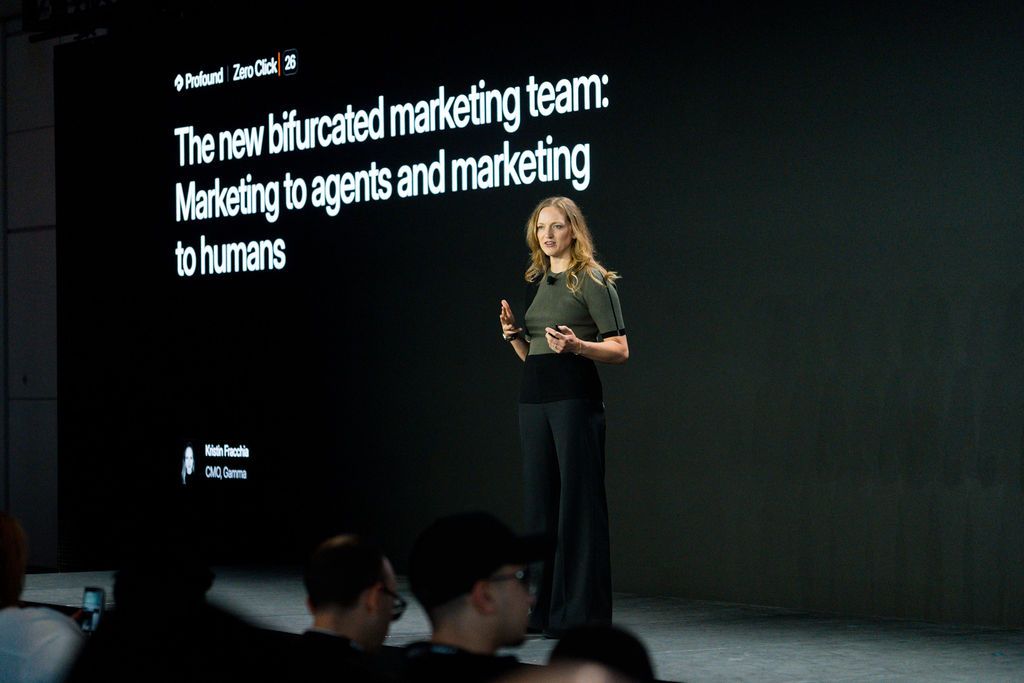
The new bifurcated marketing team
Kristin Fracchia (Chief Marketing Officer at Gamma) made the case for why winning marketing teams in the agentic era are barbell-shaped: heavy on AI systems on one end, heavy on human taste and culture on the other, with the traditional full-stack marketer hollowing out in between.
Key takeaways:
- AI Search went from a blip to Gamma's top referral source outside of word of mouth in under one year, driven by third-party citations, internationalization into markets with thin training data, and documentation written specifically for agents
- Gamma generates 10 million impressions per month on high-authority third-party sites, because models trust what others say about you more than what you say about yourself
- The marketing roles being hired for most aggressively at top AI companies right now are event marketers, as in-person and human taste are becoming the scarcest resources in marketing
- The team profiles diverge sharply: "Team Agent" hires are technical systems thinkers optimizing for the information layer; "Team Human" hires are high-taste storytellers optimizing for the aspiration layer
Weights for the age of answer engines
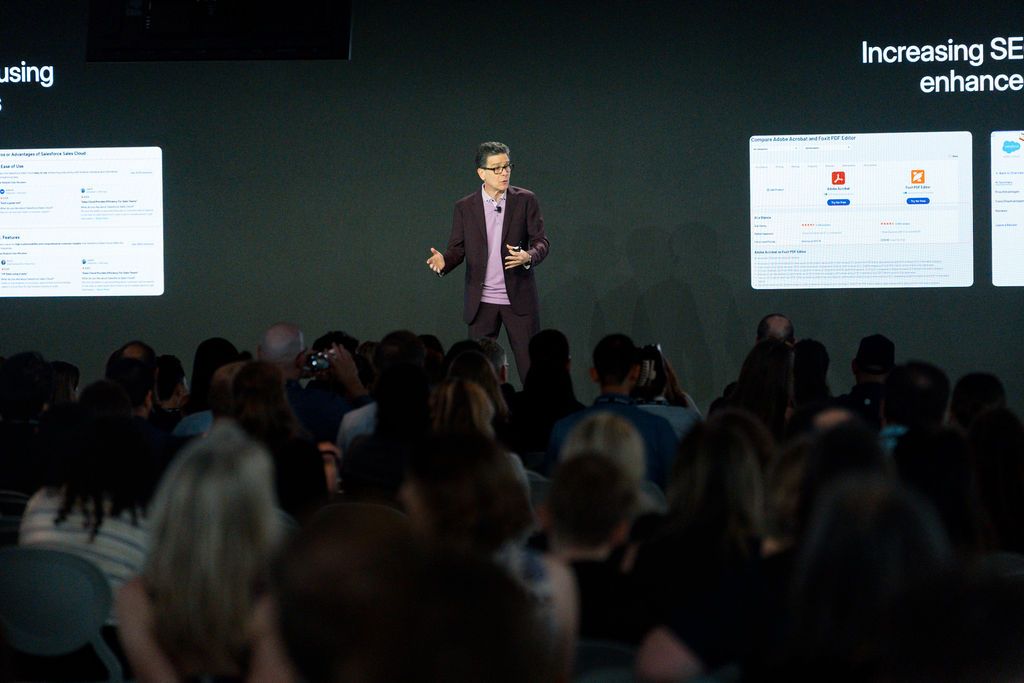
Tim Sanders (Chief Innovation Officer at G2) shared a framework for how marketing leaders should develop their own "weights". The internal system of priorities and signals that determines where to invest in AEO, rather than chasing visibility metrics that don't connect to revenue.
Key takeaways:
- 8 out of 10 B2B buyers purchase from their day-one short list, and over half are now building that list inside a chat interface. Making it existential to be in the answer, not just visible on the web
- G2 saw a 44% increase in citations after adding context summaries to product pages, and generated significant citation and SERP lift by building FAQs from verified reviewer verbatims in natural language
- Less than 3% of all AI citations go to tier 1 publications like the Wall Street Journal or Bloomberg. In fact, 97% flow to niche, regional, and individual influencer sources, largely because paywalls from tier 1 publication block agents from crawling their articles
- Citation position matters more than citation frequency: G2 research shows 40% of software buyers use deep research tools, producing multi-page reports where recommendations appear at the end. Showing up as a late citation in a deep research response is a stronger revenue signal than showing up first in a standard answer
How to win Reddit
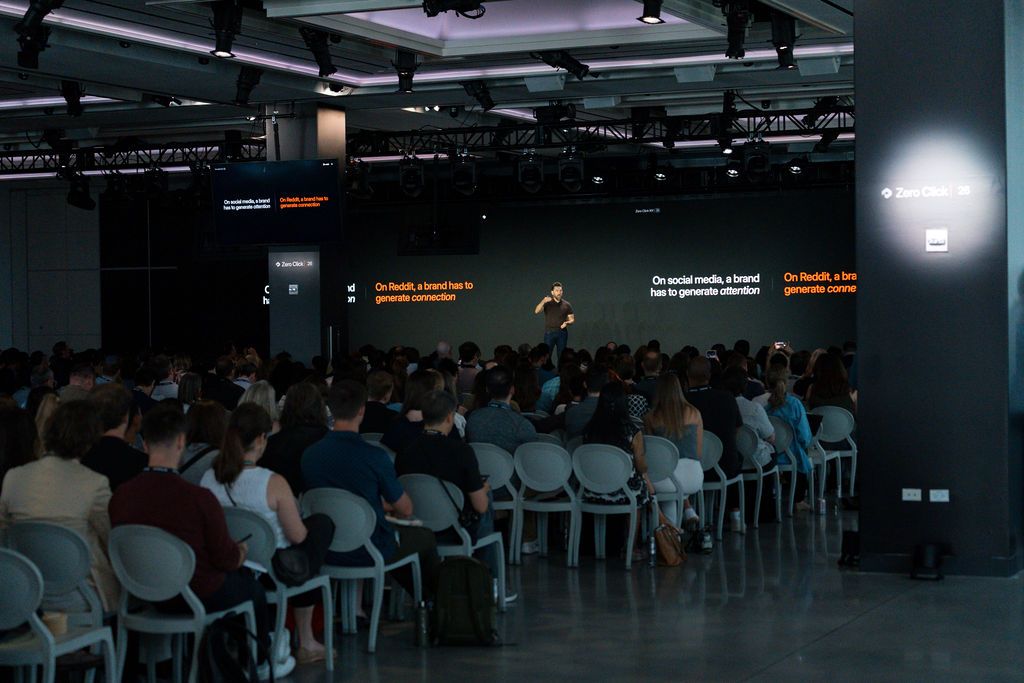
Rob Gaige (Global Head of Marketing Insights and Operations at Reddit) closed the external sessions by breaking down exactly how brands earn citations on Reddit and why treating it like every other social platform is the fastest way to fail.
Key takeaways:
- 50% of Americans who get a recommendation from an AI platform come directly to Reddit to validate it. Making Reddit the trust layer sitting beneath every answer engine recommendation
- 40% of Reddit posts and comments are commercial in nature, and 78% of Redditors use the platform monthly to seek purchase recommendations. The authentic human content that makes Reddit trusted also makes it the highest-signal source for answer engines
- Brands that post more than three times a week see sentiment fall off a cliff. Reddit is not a broadcast channel, and showing up too frequently is the single fastest way to lose the community
- Citations on Reddit aren't won by showing up and promoting, they're won by doing something genuinely valuable in the community and treating the channel like a "dinner party". Be a great guest that makes people want to say good things about you unprompted
Closing remarks
Thank you to every speaker, partner, and attendee who made Zero Click New York our largest and most ambitious summit to date. The quality of thinking in that room set a standard we intend to build on.
The Zero Click World Tour continues this fall with stops in London, Sydney, and Singapore. Request your spot and be on the lookout for updates on our Zero Click website.
We'll see you there 👋